
Itineraries · 6 min · · by Carla Quispe
How many days in Arequipa: two versus four
Short answer
How many days do you need in Arequipa?
How many days in Arequipa depends on whether the Colca Canyon fits. Two days covers the city; four adds a full day for the canyon. The city itself is Santa Catalina Monastery, the cathedral and the Juanita mummy museum. The canyon is Cruz del Cóndor and the condors, a 3.5-hour drive each way from Arequipa.
What this guide covers
- How many days in Arequipa do you need for the essentials?
- Arequipa city: the White City in a day
- Santa Catalina Monastery and the Juanita mummy
- The Colca Canyon: a long day, not a quick one
- The Sillar Route and the cathedral: the extra half-day
- How many days in Arequipa, by trip length
Key Takeaways
- Arequipa is Peru’s White City, a nickname for the sillar it was built from, and its historic centre joined UNESCO’s World Heritage List in December 2000, under criteria (i) and (iv), across 166.52 hectares.
- The Santa Catalina Monastery was founded on 10 September 1579 and covers roughly 20,000 square metres, a full city block that only opened to the public in 1970.
- The Colca Canyon reaches about 3,270 metres deep, nearly twice the Grand Canyon’s deepest point of 1,829 metres.
- The drive from Arequipa to the canyon is about 3.5 hours each way, by Lati Travel’s own Colca Valley day tour itinerary, which is why the round trip fills a full day rather than a morning.
How many days in Arequipa do you need for the essentials?
Two days is enough for the city on its own: the colonial centre, the Santa Catalina Monastery, the cathedral and the Juanita mummy museum, without adding the Colca Canyon. Four days makes room for the canyon as a full day, with the long drive on either side. Five adds the Sillar Route, the quarries and viewpoints on the edge of the city that the five-day package uses to close out the trip.
Arequipa city: the White City in a day
Arequipa earned its nickname, the White City, from sillar, a light volcanic stone quarried nearby that Spanish and Andean masons kept reusing after each earthquake. The historic centre joined UNESCO’s World Heritage List in December 2000, under criteria (i) and (iv), covering 166.52 hectares around the Plaza de Armas.
The city itself sits just over 2,300 metres above sea level, low enough that most visitors feel no effect before moving on to Cusco at 3,400 metres. Lati Travel’s Best of Arequipa half-day tour covers the centre and the monastery in four hours, which is roughly what the city needs before deciding on Colca.
Santa Catalina Monastery and the Juanita mummy
The Santa Catalina Monastery was founded on 10 September 1579 and grew into a walled citadel of roughly 20,000 square metres, a full city block of cloisters, cells and streets named after Spanish towns. It stayed closed to outsiders until 1970, when part of the complex opened to the public as a museum.
A few streets over, the Museo Santuarios Andinos holds Juanita, the Inca girl anthropologist Johan Reinhard found on the Ampato volcano in September 1995, at 6,300 metres. She was 12 to 15 years old at the time of her death, and in 2023 a Swedish forensic sculptor unveiled a facial reconstruction built from scans of her skull and DNA. Lati Travel’s Juanita Mummy Museum tour covers the exhibit.
The Colca Canyon: a long day, not a quick one
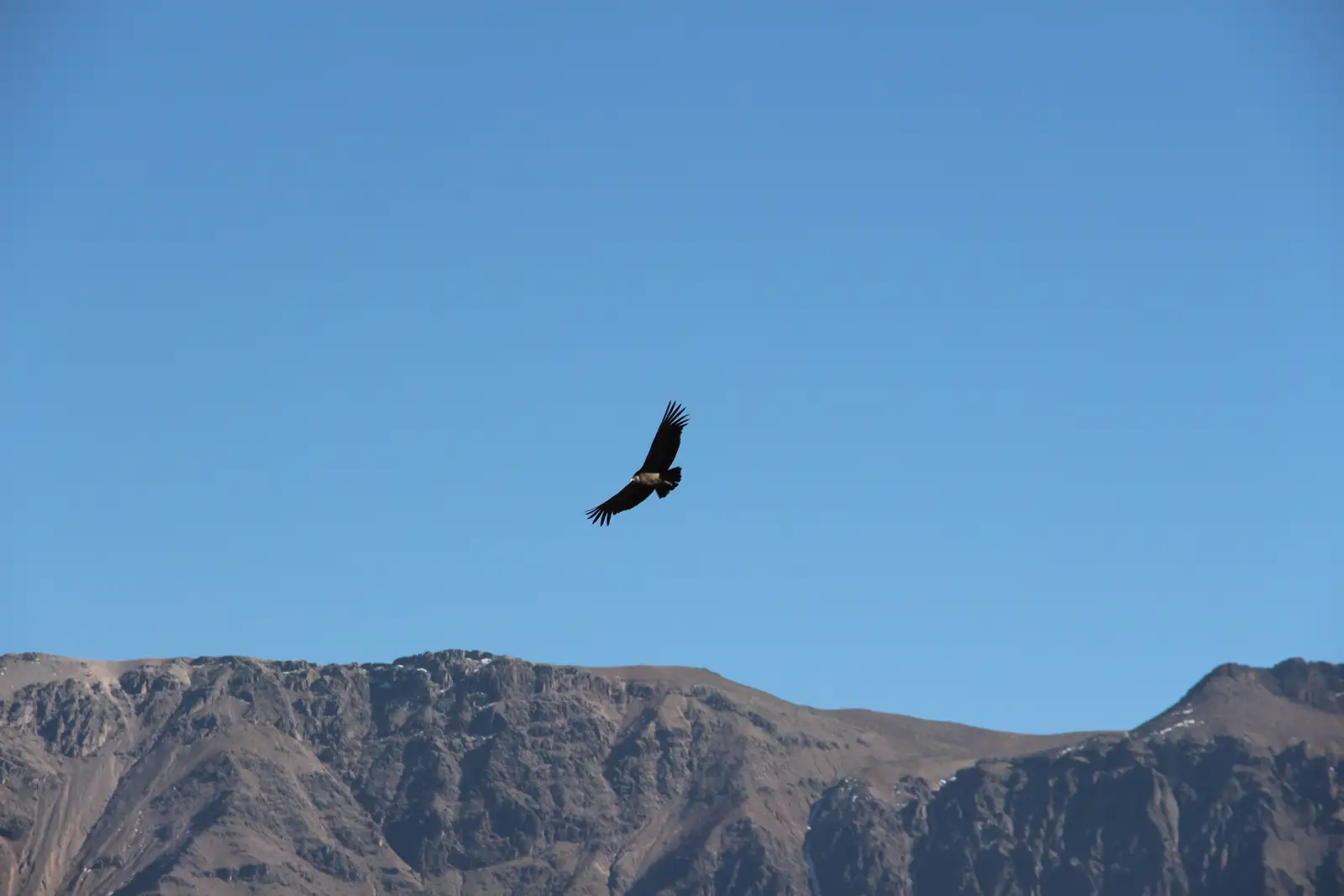
The Colca Canyon reaches about 3,270 metres deep, nearly twice the Grand Canyon’s deepest point of 1,829 metres. The reason to go is the Cruz del Cóndor viewpoint, where Andean condors ride the morning thermals out of the canyon, most reliably in the dry season, which overlaps with the best months to visit Peru generally.
Getting there is most of the day on its own. Lati Travel’s Colca Valley day tour from Arequipa leaves before dawn for a 3.5-hour drive to Chivay, has breakfast there, continues to the viewpoint, then doubles back the same route in the afternoon. Lati Travel’s Colca Canyon page makes the case for a second day instead, with a night in Chivay, over doing the round trip in one very long sitting. Both get to Cruz del Cóndor; the difference is the pace, not the destination.
The Sillar Route and the cathedral: the extra half-day
The Basilica Cathedral of Arequipa, facing the Plaza de Armas, has been rebuilt more than once. A fire in 1844 destroyed much of the interior, an 1868 earthquake brought down the towers built to replace it, and the magnitude-8.3 earthquake of 23 July 2001 damaged both towers again, partially collapsing the left one.
Outside the centre, Lati Travel’s Sillar Route half-day tour visits the quarries the cathedral and the monastery were both built from, along the Añashuayco ravine. It only really fits once the city and the canyon are already covered, which is why it belongs to the five-day version of the trip rather than the four. Anyone sorting out entry requirements first can check Peru’s visa requirements before booking either.
How many days in Arequipa, by trip length
| Days available | Prioritise |
|---|---|
| 2 days | The centre, Santa Catalina Monastery, the cathedral and the Juanita mummy museum |
| 4 days | Add a full day for the Colca Canyon and Cruz del Cóndor |
| 5 days | Add the Sillar Route and its quarries |
Which Arequipa trip to book
For four days built around the canyon, Lati Travel’s 4-day Best of Arequipa tour package bundles the city, the Juanita mummy and the Colca Valley into one itinerary with accommodation included. The 5-day version adds the Sillar Route and the cathedral museum. For a shorter stop, the Santa Catalina Monastery half-day tour and the Colca Valley day tour can each be booked on their own, and Peru’s tour packages cover how Arequipa fits into a longer trip through Cusco and Lima.
Places in this guide
Frequently asked
Is Colca Canyon worth doing as a day trip from Arequipa?
Yes, though it is a long one. Lati Travel's day tour leaves before dawn for the 3.5-hour drive to Chivay, reaches the Cruz del Cóndor viewpoint for the condors, and is back in Arequipa the same evening. Other operators split it into two days with a night in Chivay, which is a gentler pace rather than a different trip.
How high is Arequipa, and does the altitude cause problems?
Arequipa sits just over 2,300 metres above sea level, according to Britannica, low enough that most visitors feel no effect. The road to Colca climbs well above that, so the usual altitude advice, water, no alcohol and an easy first day, still applies.
What is the Santa Catalina Monastery?
A 16th-century convent covering roughly 20,000 square metres, a full city block in central Arequipa. It was founded in 1579 and stayed closed to outsiders until 1970, when part of the complex opened to the public as a museum while the rest continues as an active monastery.