
Practical · 6 min · · by Carla Quispe
Peru visa requirements: do tourists need one to visit?
Short answer
Do tourists need a visa to visit Peru?
Peru visa requirements are simple for most travellers: citizens of the United States, Canada, the United Kingdom and Australia can enter without a visa. So can most of the European Union and most of Latin America, usually for up to 90 days, extendable to a maximum of 183 days a year. Your passport needs six months of validity left when you arrive. Entry is now recorded digitally through the Tarjeta Andina de Migración (TAM); other nationalities apply at a Peruvian consulate at least 15 days before travelling.
What this guide covers
- Peru visa requirements: which passports enter without a visa
- How long you can stay: the 90 and 183 day rule
- Passport validity: the six-month rule
- The Tarjeta Andina de Migración, and what changed
- If your nationality does need a visa
- Peru visa requirements for Machu Picchu and Cusco
- Where to check your own nationality
Key Takeaways
- Most tourists, including citizens of the US, Canada, the UK, Australia, the EU and most of Latin America, do not need a visa for Peru.
- The standard stamp at entry allows up to 90 days. Peru’s immigration authority can extend that, but never past 183 days within a 12-month period.
- Your passport needs at least six months of validity left on the day you arrive, whatever your nationality.
- Peru no longer uses a paper Tarjeta Andina de Migración (TAM). Entry through Lima’s Jorge Chávez airport is recorded digitally instead.
- Machu Picchu and Cusco carry no separate visa requirement. If you can enter Peru, you can travel to both.
Peru visa requirements: which passports enter without a visa
Peru’s Ministry of Foreign Affairs publishes a country-by-country table of who needs a temporary tourist visa and who does not. The current version, dated 5 March 2026, exempts most of the Americas, most of the European Union, the United Kingdom, Australia, New Zealand, Japan, South Korea and Singapore, among others.
For the four biggest source markets for this site: citizens of the United States, Canada, the United Kingdom and Australia can all enter Peru for tourism without a visa. Citizens of Germany and the rest of the Schengen area are exempt too, on the same table. Most South American countries enter visa-free too. Several, including Argentina, Chile, Colombia and Ecuador, use a national identity card instead of a passport, under Andean Community and Mercosur agreements.
If your passport is not on the exemption list, you apply for a visa at a Peruvian consulate in the country where you live, at least 15 calendar days before travelling. There is no visa on arrival. Peru’s own guidance is direct about the odds: each application is assessed individually, and submitting the paperwork does not guarantee approval.
How long you can stay: the 90 and 183 day rule
For visa-exempt tourists, an immigration officer stamps your passport with an authorised stay on arrival, usually up to 90 days. The UK government’s current travel advice for Peru puts it plainly: you normally get up to 90 days in a 180-day period. Immigration officials can grant a maximum of 183 days in a 365-day period as a visitor or tourist, whether that is one long stay or several shorter ones.
If you need more time, request an extension from Peru’s National Superintendence of Migration before your current stay runs out, not after. There is no extension past the 183-day ceiling. Overstaying brings a daily fine, and Peru will not let you leave the country, or come back later, until it is paid.
Passport validity: the six-month rule
Peru’s Superintendencia Nacional de Migraciones states the requirement without exceptions: a passport valid for at least six months from your arrival date is mandatory, and travellers who do not meet it are refused entry. The UK’s own travel advice repeats the same figure for British passport holders. Check the expiry date before you book, not before you fly.
The Tarjeta Andina de Migración, and what changed
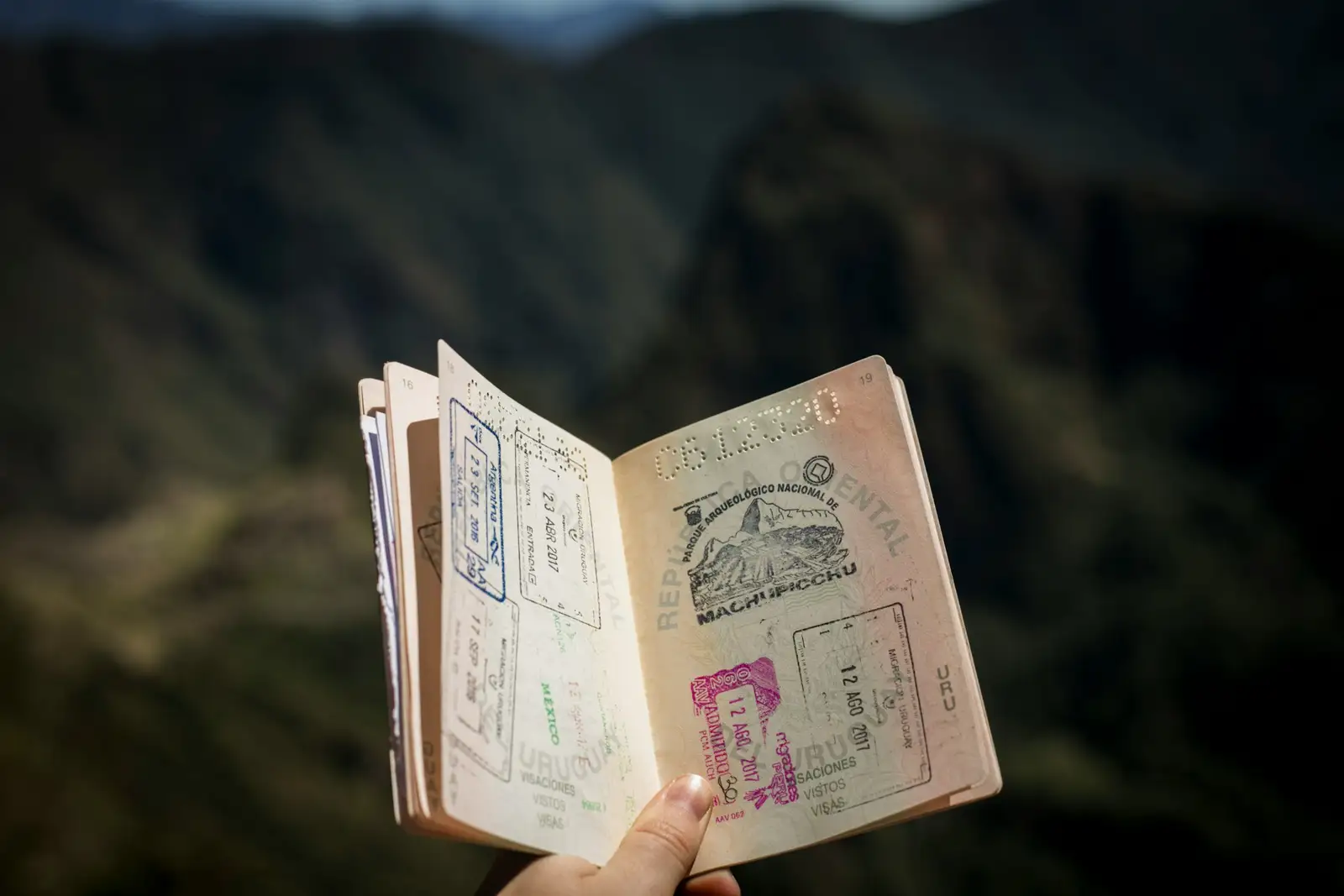
The Tarjeta Andina de Migración (TAM) is the region’s standard immigration control document, historically a paper form filled in on arrival. Peru has dropped it: Migraciones confirms it replaced the printed TAM with a virtual version at Jorge Chávez International Airport in Lima and at authorised cruise ports. There is nothing to fill in. The record is generated automatically when your passport is scanned at the immigration desk, and you can look up your own TAM Virtual afterwards on the Migraciones website.
Land border crossings work differently. Entering by road from Bolivia, Chile or Ecuador, you still need a physical entry stamp in your passport, and you cannot leave Peru later without one.
If your nationality does need a visa
A number of nationalities need a visa for any purpose, tourism included, mostly across Africa, the Middle East and parts of Asia, on the same Ministry of Foreign Affairs table. Citizens of China and India get an exemption of their own if they hold a currently valid visa, or permanent residence, in the US, Canada, the UK, Australia or the Schengen area.
Peru visa requirements for Machu Picchu and Cusco
Cusco and Machu Picchu are inside Peru. Nothing above changes once you land in Lima and continue on to the Andes: the same 90-day stamp, the same digital TAM record, the same six-month passport rule. What you need at Machu Picchu is an entry ticket to the sanctuary itself, which is a booking, not an immigration document. Our guide to Cusco and Machu Picchu without altitude sickness covers the ticket circuits, and the best time to visit Peru covers when to go. Our 5-day Cusco and Machu Picchu package books the transfers and the train around all of it.
Where to check your own nationality
This guide covers the nationalities that book with us most, not all of the more than 150 on Peru’s table. Before you commit to dates, check your own passport against the Ministry of Foreign Affairs’ official list, and if anything looks unclear, ask the nearest Peruvian consulate directly rather than a travel forum. Rules move: El Salvador’s exemption, for example, was only added by supreme decree in 2023, and the table itself was last updated in March 2026.
For the rest of the trip, our Peru tour packages start once the entry question is settled, running from Lima to Cusco, Machu Picchu and the Sacred Valley.
Places in this guide
Frequently asked
Do US citizens need a visa for Peru?
No. US passport holders can enter Peru for tourism without a visa, for up to 90 days, extendable to a maximum of 183 days within a 12-month period, under Peru's Ministry of Foreign Affairs table of visa-exempt nationalities.
Do I need a visa to visit Machu Picchu?
No separate visa applies to Machu Picchu or Cusco. Both are inside Peru, so the same entry rules cover them; the only extra document is the Machu Picchu sanctuary ticket, which is a booking, not an immigration paper.
What is the Tarjeta Andina de Migración?
It is Peru's immigration control record. Peru has dropped the old paper version: at Jorge Chávez International Airport in Lima, and at authorised cruise ports, it is now generated digitally the moment your passport is scanned.
How long can I stay in Peru as a tourist?
Immigration officers usually stamp your passport for up to 90 days. You can ask Migraciones for an extension before that period ends, but your total time in the country cannot go over 183 days within a 12-month period.