Peru
2 Day Machu Picchu Tour by Bus from Cusco
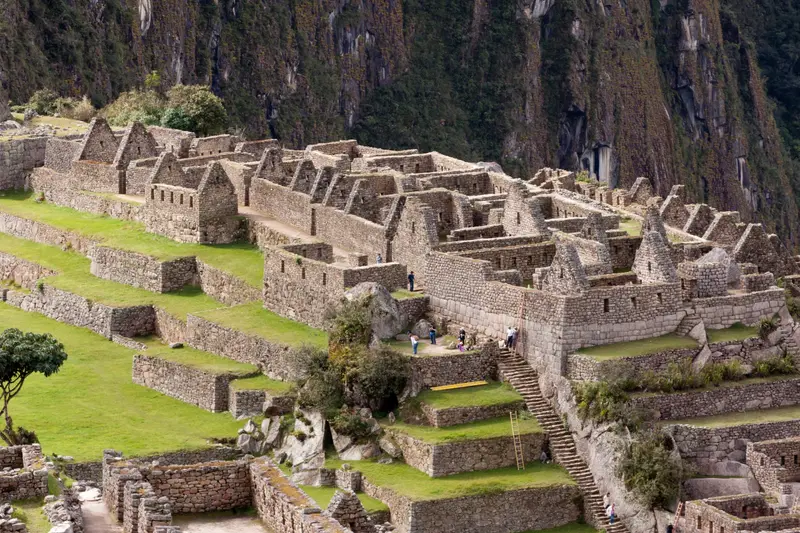
Hidroeléctrica, Puente Ruinas, Aguas Calientes, Machu Picchu
From
US$215
≈ €184 · billed in US$ ≈ £158 · billed in US$ per person
 Lati Travel
 In short
Cusco was the Inca capital and is the base for Machu Picchu, at 3,400 m. Spend the first 36 hours at Cusco pace — no hiking, no alcohol, plenty of water — and the rest of the trip works. Skip that and the altitude takes the day you came for.
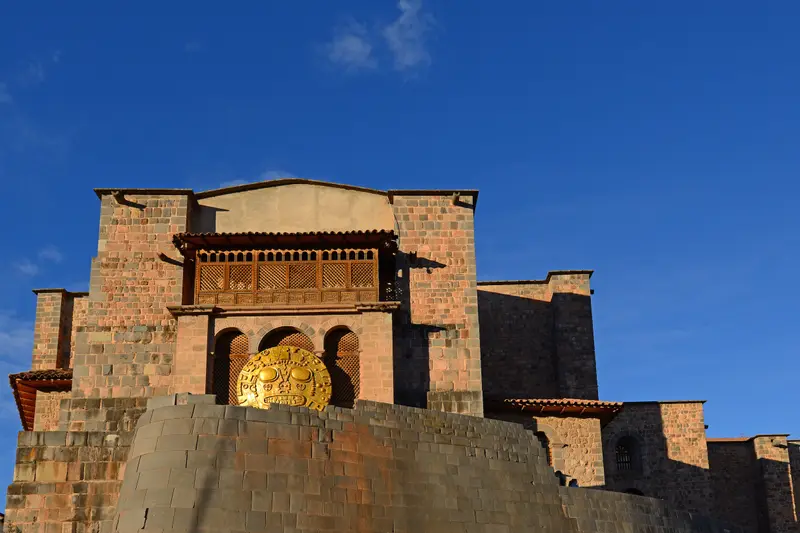
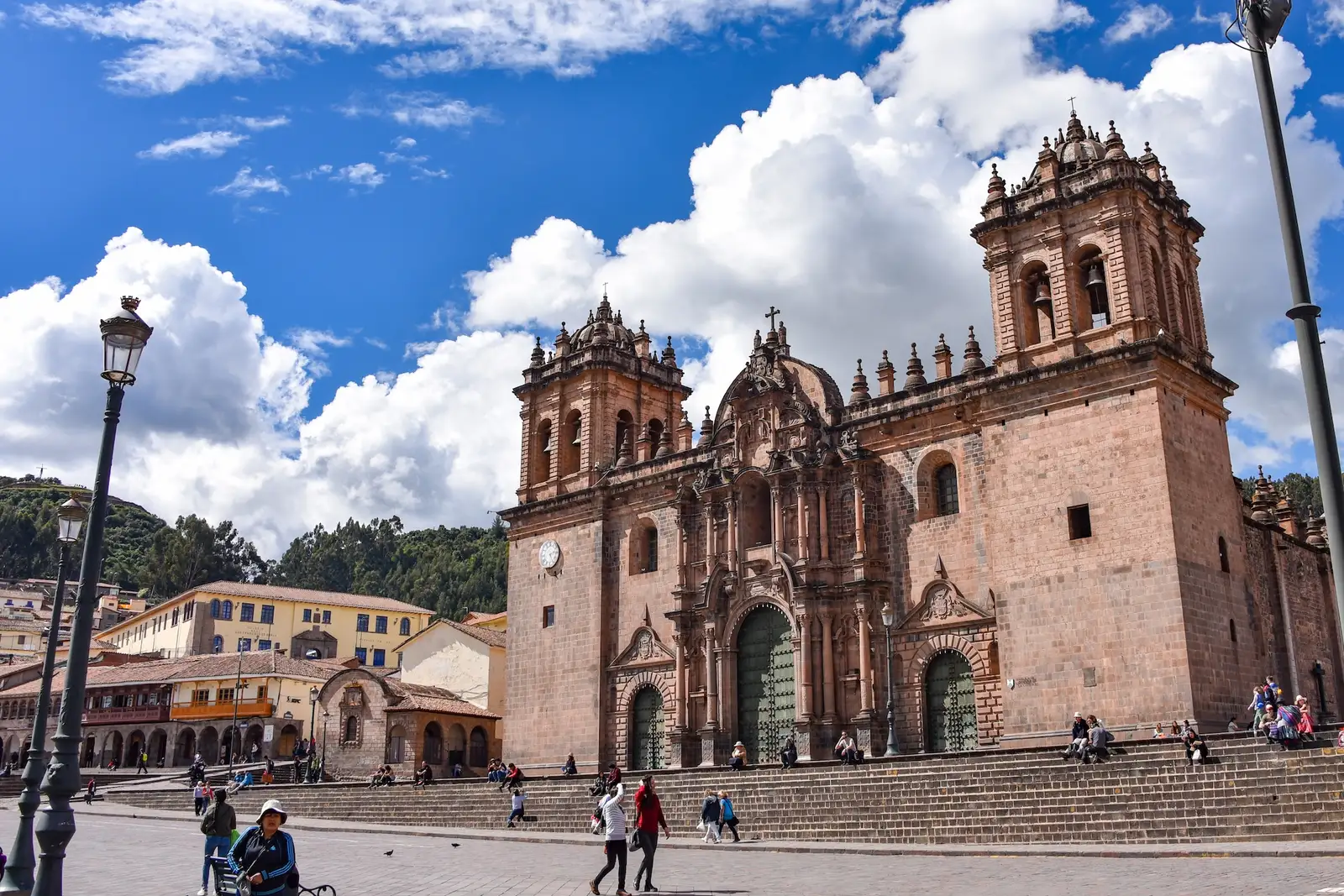
The city is built on itself: Inca stone walls at street level, Spanish churches on top of them, and a Plaza de Armas that has been the centre of both. Qorikancha, the sun temple the Spanish built a convent over, is the clearest place to see the two layers touching.
It is also the highest point of most Peru trips at 3,400 m, which is why the standard order is two nights here doing very little, then down to the Sacred Valley at 2,800 m, then Machu Picchu at 2,430 m.
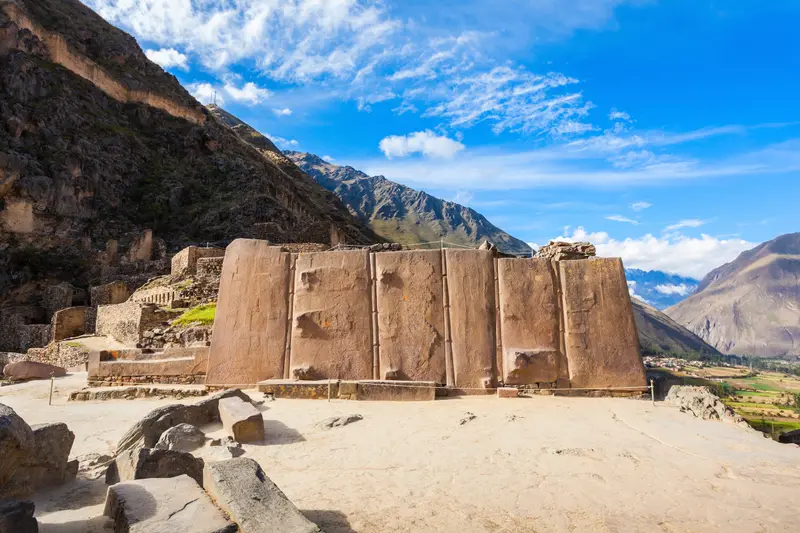
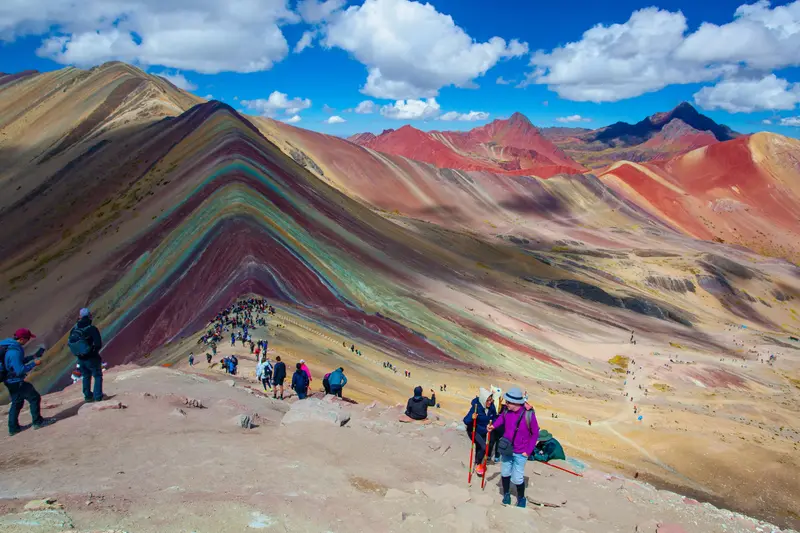
Everything for the region leaves from here: the Sacred Valley day, the trains from Ollantaytambo, Rainbow Mountain, and the Inca Trail.
Per person, including hotels, transfers and the guided days each trip lists. International flights are never included.
Hidroeléctrica, Puente Ruinas, Aguas Calientes, Machu Picchu
Cusco, Sacred Valley of the Incas at the Urubamba
Cusco, Rainbow Mountain, Urubamba and More
Cusco, Humantay, Urubamba, Salkantay and more
Cusco, Humantay, Urubamba
Cusco, Machu Picchu, Sacred Valley, Urubamba and more
| Package | Length | Price p/p | |
|---|---|---|---|
| 2 Day Machu Picchu Tour by Bus from Cusco | 2 days | US$215 | Book |
| 4 Day Best of Cusco Tour Package | 4 days | US$309 | Book |
| 5 Day Highlights of Cusco Tour Package | 5 days | US$444 | Book |
| 6 Day Best of Cusco Tour Package | 6 days | US$580 | Book |
| 7 Day Ultimate Cusco Tour Package | 7 days | US$721 | Book |
| 5 Day Best of Cusco & Machu Picchu Tour Package | 5 days | US$870 | Book |
No package matches that search.
Spend your first 36 hours at Cusco pace — no hiking, no alcohol, plenty of water — then drop to the Sacred Valley at 2,800 m before going up to Machu Picchu. Coca tea helps; arriving and immediately climbing does not.
Five including Machu Picchu: two acclimatising and seeing the city, one for the Sacred Valley, one for Machu Picchu, one spare.
April to October is the dry season and the reliable window. January and February are the wettest months, and the Inca Trail closes every February.