Argentina
Calafate & Chalten 6 Day Tour Package
Calafate
From
US$1,547
≈ €1,326 · billed in US$ ≈ £1,135 · billed in US$ per person
 Lati Travel
 In short
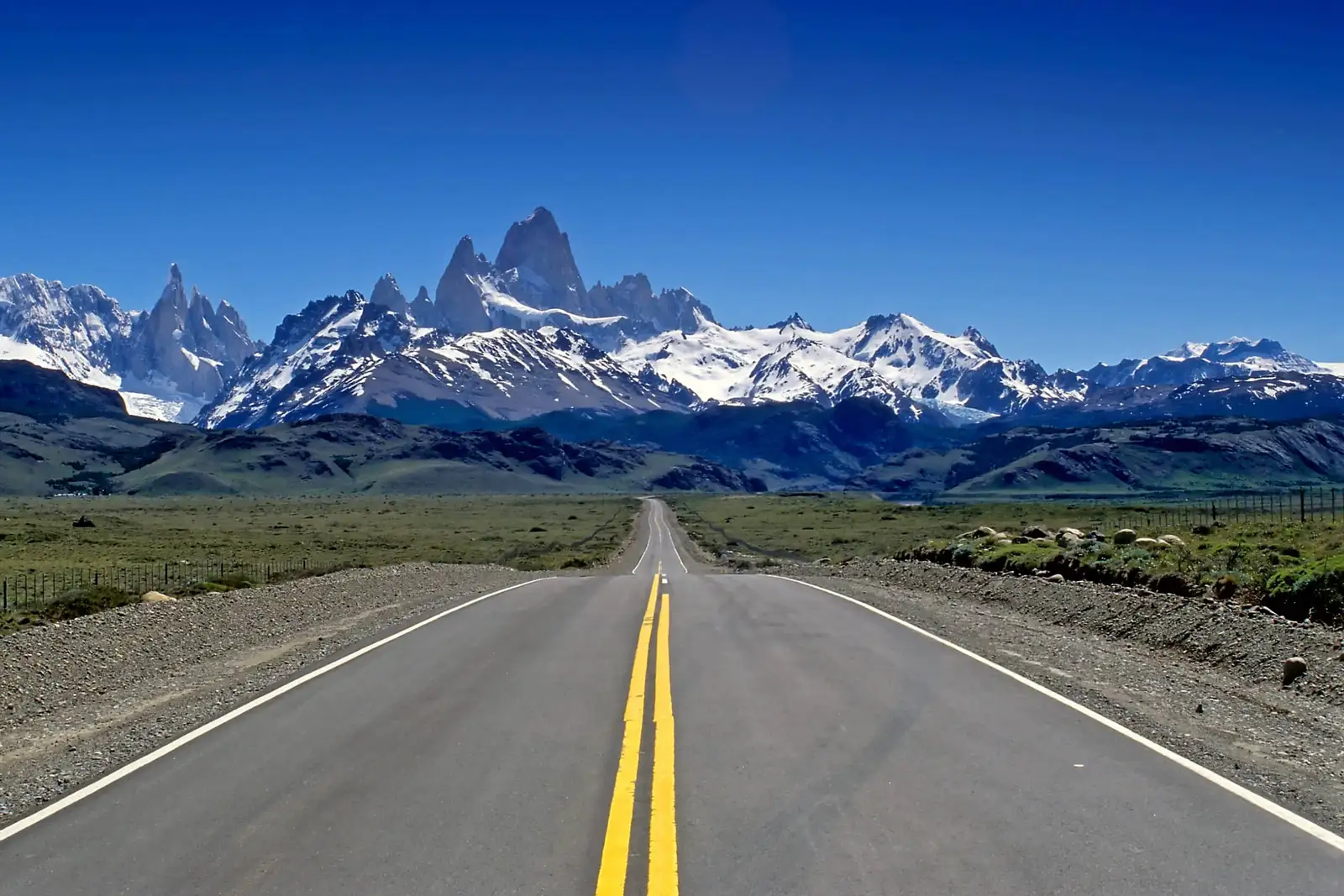
El Chaltén is Argentina's trekking capital, a village of 2,000 people three hours from El Calafate where every major trail starts from the street. Two days covers Laguna de los Tres for Fitz Roy and Laguna Torre. Both start on foot from the village, nine hours and five hours return.
It exists because of the mountains behind it, and it was founded in 1985 to settle a border dispute with Chile — which makes it the newest town in Argentina and the only one designed around walking out of your own front door.
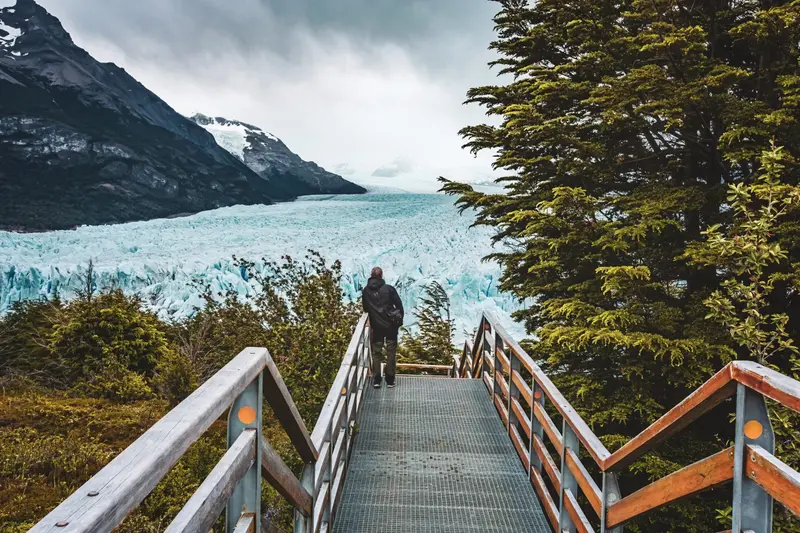
Laguna de los Tres is the big day: about 20 km return, nine hours, with a steep final climb that ends at a glacial lake directly under Fitz Roy. Laguna Torre is flatter, five hours, and ends facing Cerro Torre across a lake of icebergs.
There is no park gate and no entrance fee. What there is instead is weather, and a village with no cash machine worth relying on.
Per person, including hotels, transfers and the guided days each trip lists. International flights are never included.
Calafate
Buenos Aires
Pick-up at your accommodation in El Chaltén (optional if guided)
| Package | Length | Price p/p | |
|---|---|---|---|
| Calafate & Chalten 6 Day Tour Package | 6 days | US$1,547 | Book |
| Buenos Aires, Calafate & Chalten 11 Day Tour Package | 11 days | US$3,176 | Book |
| Trekking in Chalten From Calafate | 10 hours | US$100 | Book |
No package matches that search.
Two full days covers Laguna de los Tres and Laguna Torre. Three is safer, because Fitz Roy is only clear about one day in three and you want a spare.
Three hours by road, 220 km, with scheduled buses and private transfers both running daily. There is no airport at El Chaltén.
Not for the marked day trails, which are well signposted and busy in season. A guide is worth it for the ice, for the glacier crossings and for reading the weather.

